
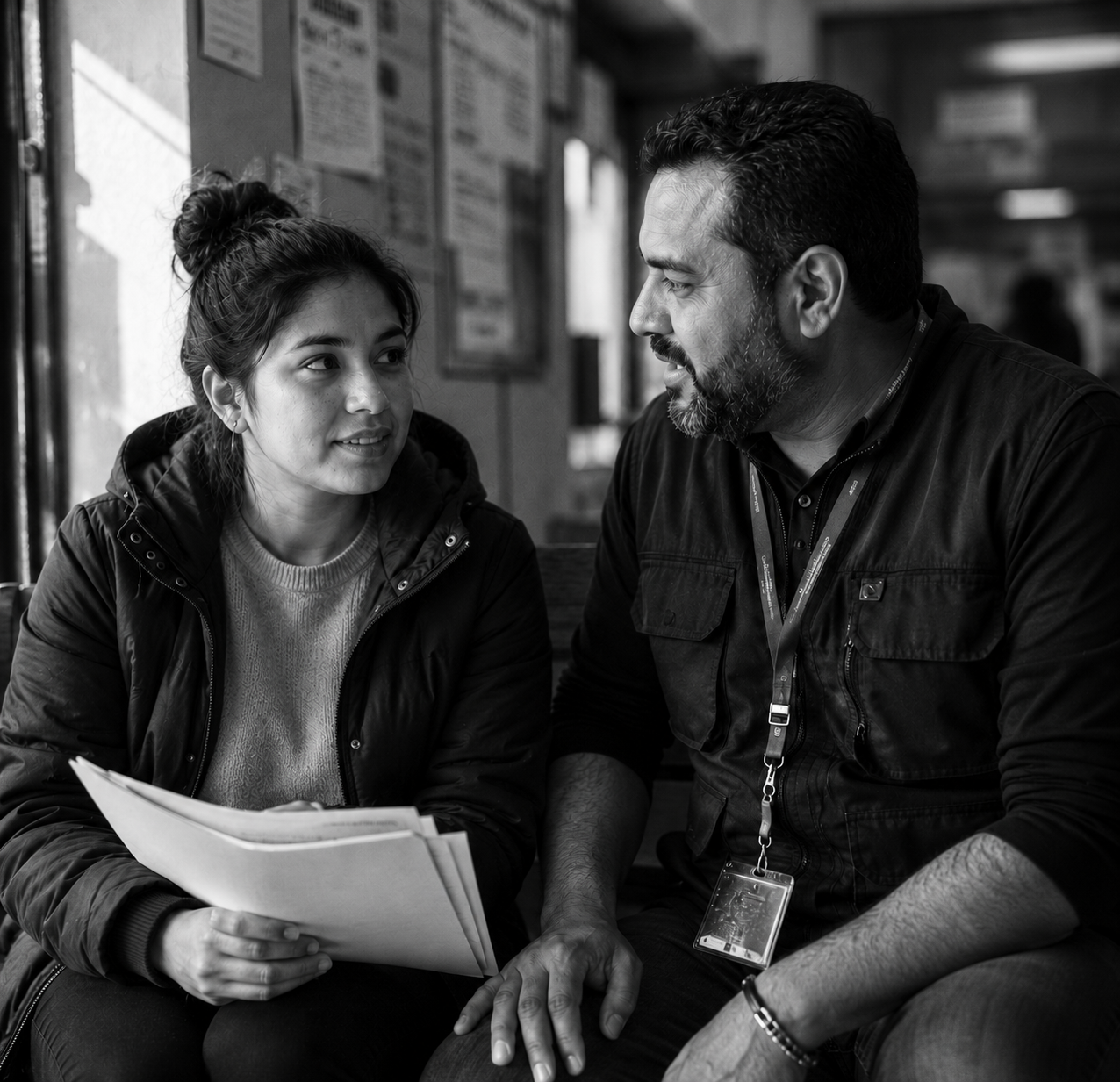
Immigrant workers are a vital part of New York’s workforce and contribute significantly across industries including hospitality, healthcare, food services, transportation, agriculture, and construction. In 2025, labor rights and workplace protections remain essential issues affecting immigrant communities, particularly for undocumented workers and newly arrived migrants navigating unfamiliar employment systems.
Many immigrant workers face challenges related to wage theft, unsafe working conditions, discrimination, and lack of awareness regarding workplace rights. Some employees may hesitate to report violations due to fear of retaliation or concerns about immigration status. Advocacy groups and labor organizations continue educating workers about their legal protections under New York labor laws.
New York labor laws generally protect workers regardless of immigration status. Employees are entitled to fair wages, safe working conditions, overtime protections, and protection against workplace discrimination. Community organizations frequently provide educational workshops to help immigrants understand their employment rights and recognize unlawful practices.
Wage theft remains one of the most common labor violations affecting immigrant workers. This may include unpaid overtime, withheld wages, illegal deductions, or denial of minimum wage requirements. Legal aid organizations and worker advocacy groups continue assisting employees in filing complaints and recovering unpaid earnings.
Workplace safety is another major concern for immigrant laborers, especially in physically demanding industries such as construction and manufacturing. Safety training, proper equipment, and reporting systems are essential for reducing workplace injuries and protecting vulnerable employees. Many organizations advocate for stronger enforcement of occupational safety standards.
Language barriers can make it difficult for immigrant workers to understand contracts, workplace policies, or safety instructions. Employers and labor agencies are increasingly encouraged to provide multilingual materials and interpretation services to improve communication and compliance with labor regulations.
Immigrant workers also contribute significantly to New York’s small business economy. Many immigrants operate restaurants, retail stores, transportation services, cleaning companies, and professional businesses that create jobs and strengthen local neighborhoods. Entrepreneurial support programs continue helping immigrant-owned businesses access funding, permits, and business education.
Labor unions and worker advocacy organizations remain important sources of support for immigrant communities. These groups help workers negotiate fair treatment, report violations, and improve working conditions across industries. Community-based partnerships continue expanding outreach efforts to underserved populations throughout New York.
Employment protections also include anti-discrimination policies related to race, ethnicity, language, national origin, religion, gender, and immigration-related bias. New York agencies continue investigating complaints and promoting inclusive workplace practices to protect vulnerable workers from unfair treatment.
As New York’s economy continues evolving, protecting immigrant workers remains critical for both economic growth and social stability. Expanding legal education, workplace enforcement, language accessibility, and fair labor practices will continue supporting immigrant communities while strengthening New York’s diverse workforce and business environment.