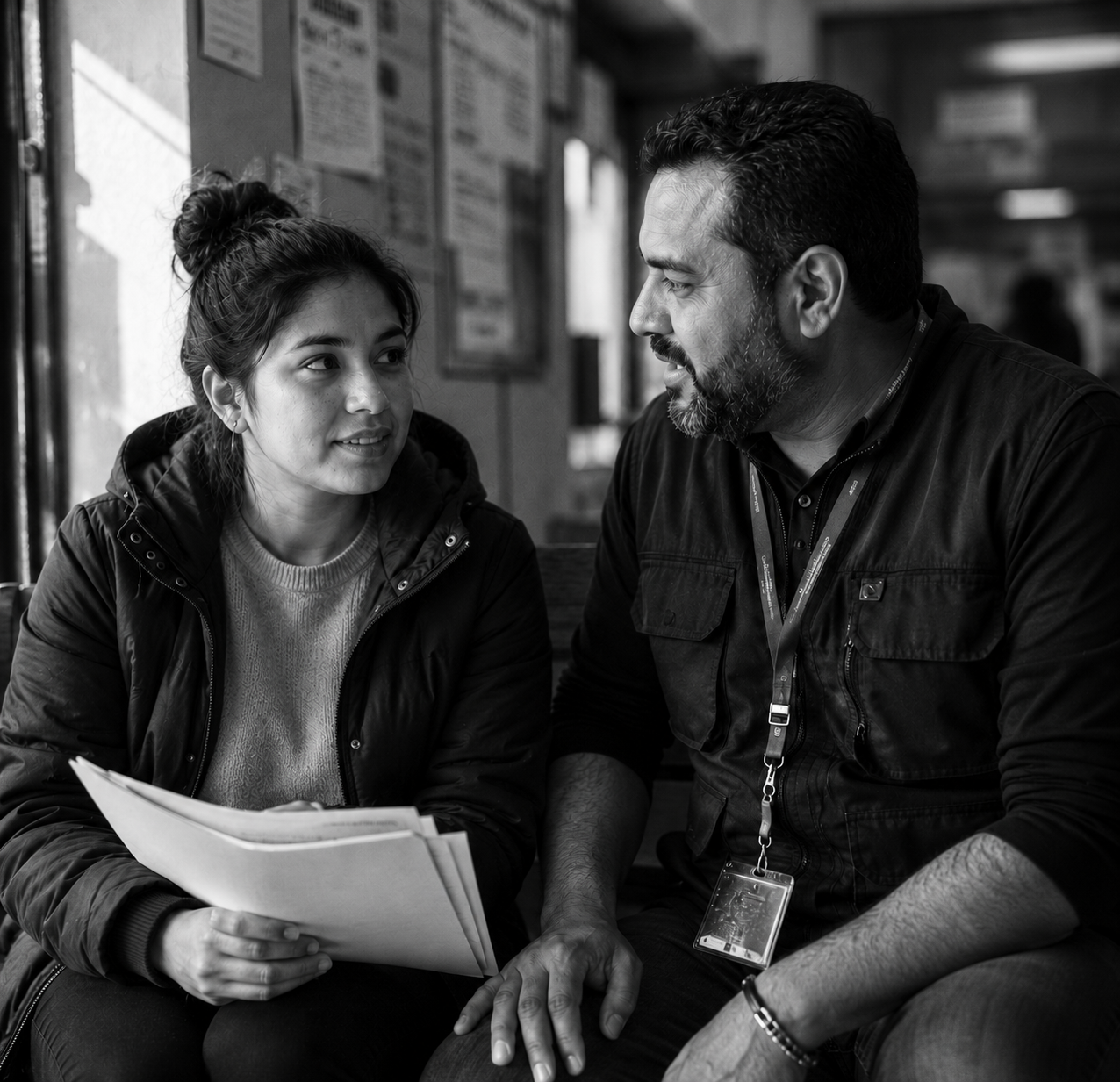
Engineering Cohesive Communities: Social Integration of Foreign-Born Americans
Watch the Conference

16/06/2025 12:30 pm - 4:00 pm (ET)
Join us for our annual conference on immigrant integration. This year’s theme is “Engineering Cohesive Communities: Social Integration of Foreign-Born Americans.” It will be a dynamic one-day virtual conference dedicated to discussions of strategies that can be used to forge genuine social cohesion and champion the full inclusion of foreign-born communities. Building on the insights of our 2025 webinar series, this event dives deep into the transformative roles that government bodies, civil society, and the private sector play in shaping an equitable future. You’ll discover cutting-edge models for empowering immigrants and host communities as active architects of social integration. By bringing together a diverse cohort of practitioners, policymakers, implementers, and researchers, we will tackle today’s most urgent challenges and reveal pathways for building unified, resilient communities—where everyone feels they belong, collective well-being thrives, and trust in our institutions flourishes.
Schedule
Welcome and Introductions
Welcome remarks will underscore the importance of social cohesion and the harm that polarization does to us as a society. The lack of social cohesion can negatively impact not only the individual but render a powerful blow to social and economic collective wellbeing. A call for government at the state and local level to practice inclusive governance and counteract the negative narrative about immigration and immigrants.
Speakers:
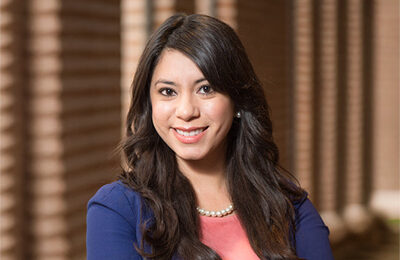
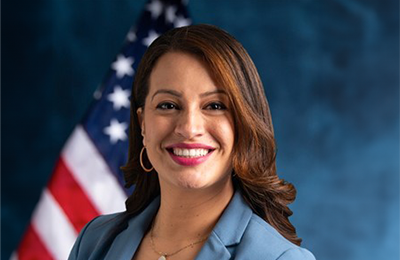
• Assemblywoman Catalina Cruz, Assemblymember, District 39, New York State Assembly
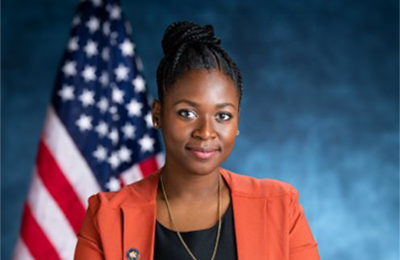
• Assemblywoman Phara Souffrant Forrest, Assemblymember, District 57, New York State Assembly
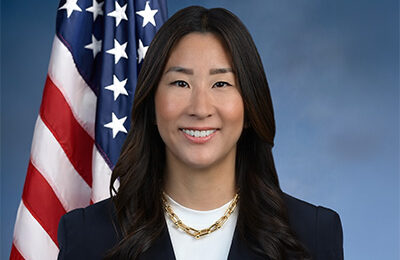
• Assemblywoman Grace Lee, Assemblymember, District 65, New York State Assembly
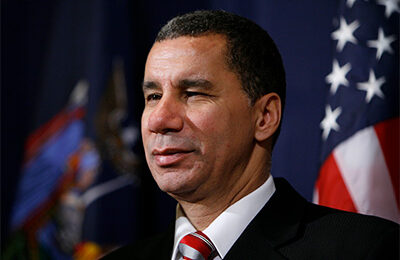
• Honorable David Paterson, Former New York State Governor
• Maria Teresa Kumar, Co-Founder and President, Voto Latino Foundation
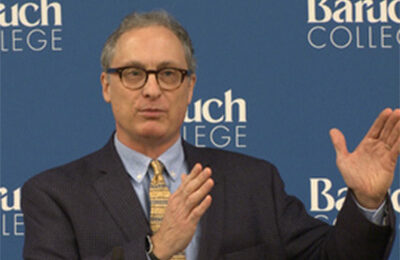
• Robert Megna, President, Rockefeller Institute of Government
• Dina Refki, Executive Director, Institute on Immigrant Integration Research and Policy
Inclusive Governance and the Social Integration of Immigrants
Opening panel will define social integration as the ability of all residents of a society feel a sense of connectedness, and a sense of belonging to the community they live in, i.e., a sense of being at home. Panelists will discuss competing ideologies and narratives about how to advance social integration. They will examine cultural anxiety from the dominant group that push the narrative that newcomers are changing American identity and the push for a one-sided assimilation where newcomers must discard old identities and put a cloak of a mainstream American identity. The discussions will also include exploration of segmented assimilation theory where newcomers preserve elements of their ethnic identity yet manage to integrate economically and socially and “oppositional culture” where there is resistance to conformity to one concept of American identity. Panelists will debate whether “downward assimilation” necessarily means loss of social integration? Questions examined will include: What does a multicultural diverse and well-integrated society look like? How can governments, the educational sector, the nonprofit and private sectors do better to advance this goal. What policies make integration easier? What does inclusive governance look like?
Panelists:
• Kapil Longani, Senior Vice Chancellor for Legal Affairs and General Counsel, State University of New York (SUNY)
• Alejandro Portes, Howard Harrison and Gabrielle Snyder Beck Professor Emeritus of Sociology, Princeton University; Research Professor of Law and Distinguished Scholar of Arts and Sciences, University of Miami
• Natasha Lay, Executive Director, Bow Valley Immigration Partnership (BVIP)
• Charles Sherman, Manager of Narrative Strategy, Opportunity Agenda
Workshop A: Reducing Inequalities & Alleviating Poverty
When opportunities afforded to immigrants are limited or curtailed, inequalities are exacerbated and disparities between their socio-economic outcomes and those of their native-born counterparts widen. Presenters will address the problem of de-skilling and under-skilling of foreign-born residents, assess policy implications and provide recommendations. They explore how socio-economic disparities lead to social segregation and foster isolation and alienation.
Reducing “Brain Waste” Among Refugees in New York State
• Rey Koslowski, Professor of Political Science & Director, Master of International Affairs Program, University at Albany, State University of New York
Maryland’s Skilled Immigrant Task Force: Supporting Internationally-Trained Professional Workforce Integration
• Margaret Shrager, Director of Adult Education, Prince George’s Community College
• Joana Winningham, New Americans Initiative Coordinator, Division of Workforce Development and Adult Learning, Maryland Department of Labor
Sorted and Tracked: English Learners, College-Level Course-Taking in High School, and Postsecondary Opportunity
• Esmeralda Sánchez Salazar, Postdoctoral Fellow, Sociology and Criminology, Penn State University
Workshop B: Narrowing Social and Psychological Distance: Promoting Connections
Social distance between foreign and native-born exacerbates the social construction of stereotypes, perceptions of difference, conflict, distrust and community fragmentation. Presenters underscore the need to intentionally cultivate skills of empathy, affirmation and identification with similarities among differences. Presenters examine bridging social distance and cultivation of belonging, and reduction of prejudice and discrimination through promoting understanding and meaningful social interactions among different foreign and native-born groups.
Strengthening Employment and Healthcare Inclusion for Refugees with Disabilities
• Mustafa Rfat, PhD Candidate, Social Work, Washington University in St. Louis
Critically Reflexive Theory on Assimilationism
• Jacob Richard Thomas, Assistant Professor, Sociology Department, Corvinus University of Budapest
Every Campus a Refuge – Director of Monitoring, Evaluation, and Training Development at Every Campus a Refuge (Ecar)
• Christian Matheis, Director of Monitoring, Evaluation, and Training Development, Every Campus A Refuge (ECAR)
Changing the Narrative: Promoting Understanding and Connections: The Opportunity Agenda
• Charles Sherman, Manager of Narrative Strategy, Opportunity Agenda
Workshop C: Employing Levers of Integration
The workshop will describe several tools that are used as levers of integration including voter participation, acquisition of drivers’ licenses, language learning and community-based hubs of service.
Examining the Impact of Nativity Status on Voter Participation
• Ken Irish-Bramble, Immigrant Integration Fellow, Institute on Immigrant Integration Research and Policy
• Marsha Webster, Program Director, CUNY’s Medgar Evers College
• Sasha Richardson, Assistant Program Coordinator, CUNY Innovative Career Opportunity and Research Program (ICORP), Medgar Evers College
Driver’s License Project: Enhancing Immigrant Integration in Marin County, California
• Lucia Leon, Assistant Professor of Latino Studies and Social Justice, Dominican University of California
• Joana Castro Simonini, Director of Immigration Legal Services, Canal Alliance
Language Programs as Gateways to Higher Education for Immigrants and Refugees
• Tsveta Dobreva, Sociology PhD Student, University at Albany
The Role of Food Pantries in Supporting Immigrant Communities
• Hazel Velasco Palacios, PhD Candidate, Rural Sociology and Women’s, Gender, and Sexuality Studies, Penn State University
Workshop D: Civic and Community Engagement in Social and Economic Integration
The workshop will discuss civic engagement and engineering community cohesion to avoid social isolation, political alienation, disengagement, and fragmentation in communities. Presenters discuss models of community engagement with the government, community revitalization and service provision.
West Hill Refugee Welcome Center Experience: Resettlement and Revitalization of a Blighted Urban Neighborhood
• Tim Doherty, CEO, Refugee Welcome Corporation
Impact of Mass Deportations on Senegalese Entrepreneur Immigrants in Harlem’s Little Senegal
• David Monda, Immigrant Integration Fellow, Institute on Immigrant Integration Research and Policy
From Community Need to Economic Integration
• Ahyoung Kim, Director of Economic Empowerment, Asian American Federation
An Industry of Immigrants in a City of Immigrants – the Case of the App-Based Delivery Workers in New York City
• Maria Figueroa, Director of Labor Policy, Rockefeller Institute of Government
Analyzing an Intervention That Worked: Cumulative Voting in Port Chester, New York
• Robert Smith, Professor of Sociology, Immigration Studies and Public Affairs, School of Public Affairs, and in the Sociology Department, Graduate Center, CUNY
Closing Remarks
Closing remarks will be offered by Institute on Immigrant Integration Research and Policy Executive Director Dina Refki.
Read the takeaways from the conference
Engineering Cohesive Communities: Social Integration of Foreign-Born Americans
Special Remarks


Plenary Speakers
Presenters