Aging Immigrants: Advancing the Wellbeing of Foreign-Born Older Adults
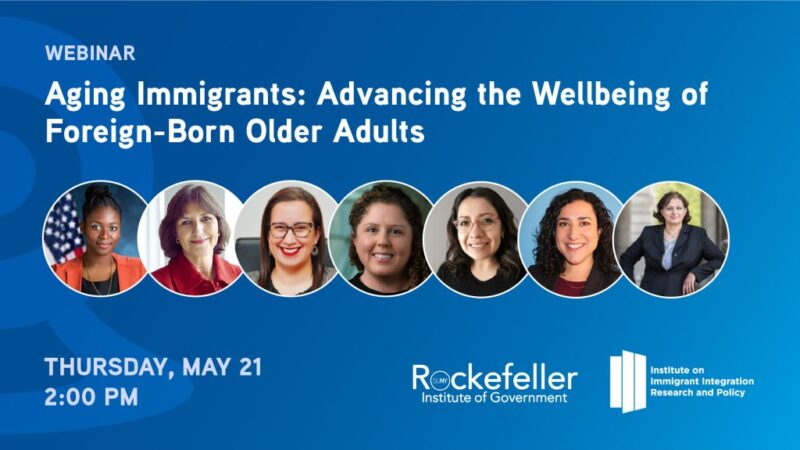
May 21, 2026 2:00 pm
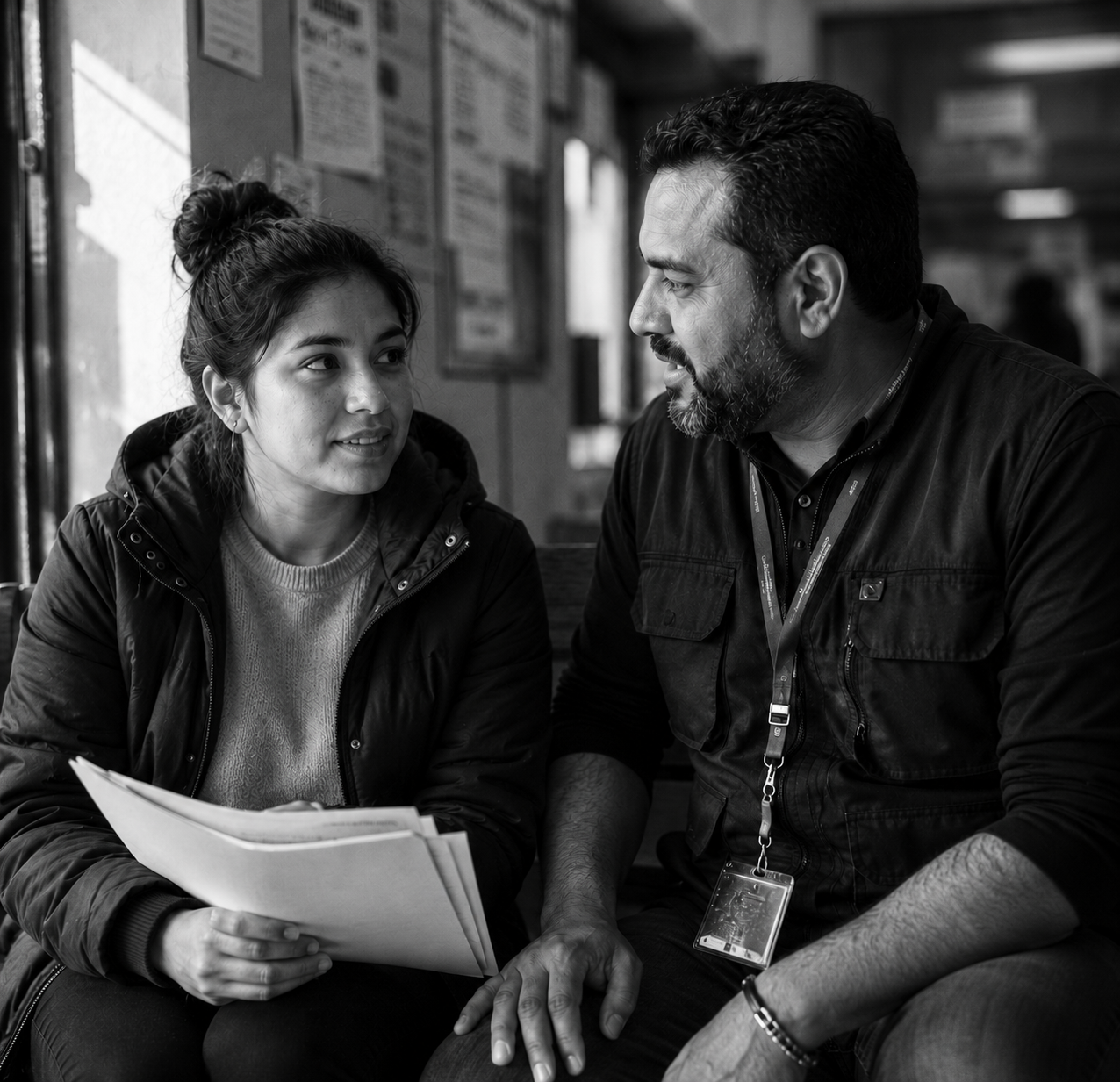
Immigrant older adults face a unique constellation of challenges due to the intersection of age, migration status, language, culture, and often socioeconomic marginalization. These challenges vary by individual experience but generally fall into several key categories including: (a) language barriers (difficulty communicating with healthcare providers, social services, or neighbors, and limited access to translated information or interpreters); (b) cultural disconnection (loss of cultural traditions or alienation from dominant societal norms, experiences of cultural invisibility or being misunderstood, challenges adapting to different values around aging, independence, or elder care); (c) limited access to healthcare (lack of culturally competent or linguistically appropriate care, ineligibility for public health insurance depending on immigration status, and higher risk of chronic conditions going unmanaged); (d) economic insecurity (inadequate retirement savings due to interrupted work histories or low-paying jobs, ineligibility for pensions or social security benefits, and overreliance on family or informal work for survival); (e) social isolation (shrinking social networks due to family dispersion or loss, physical distance or emotional estrangement from children/family, and lack of community programming for older immigrants in their language or cultural context; (f) mental health struggles (depression, anxiety, and trauma—often undiagnosed or untreated, stress due to intergenerational conflict or perceived burden on family, past trauma from migration, displacement, or refugee experience); (g) legal and immigration status (fear of deportation or family separation (especially among undocumented older adults), ineligibility for public services due to visa or residency status, and difficulties navigating legal systems or understanding rights); (h) housing instability (overcrowded living conditions with extended family, risk of elder abuse or neglect in intergenerational households and limited access to age-friendly or subsidized housing); and (i) digital divide (difficulty using technology for social connection, accessing services, or telehealth. Discussions will examine models that maintain the provision of culturally and linguistically appropriate health and social services, community centers offering intergenerational and language-specific programs, legal advocacy for benefits access and residency stability, technology training and digital literacy programs for older foreign-born adults, and policy change to expand older immigrant eligibility for public benefits.
Register NowPanelists


Special Remarks