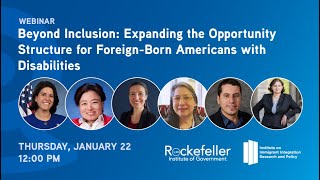
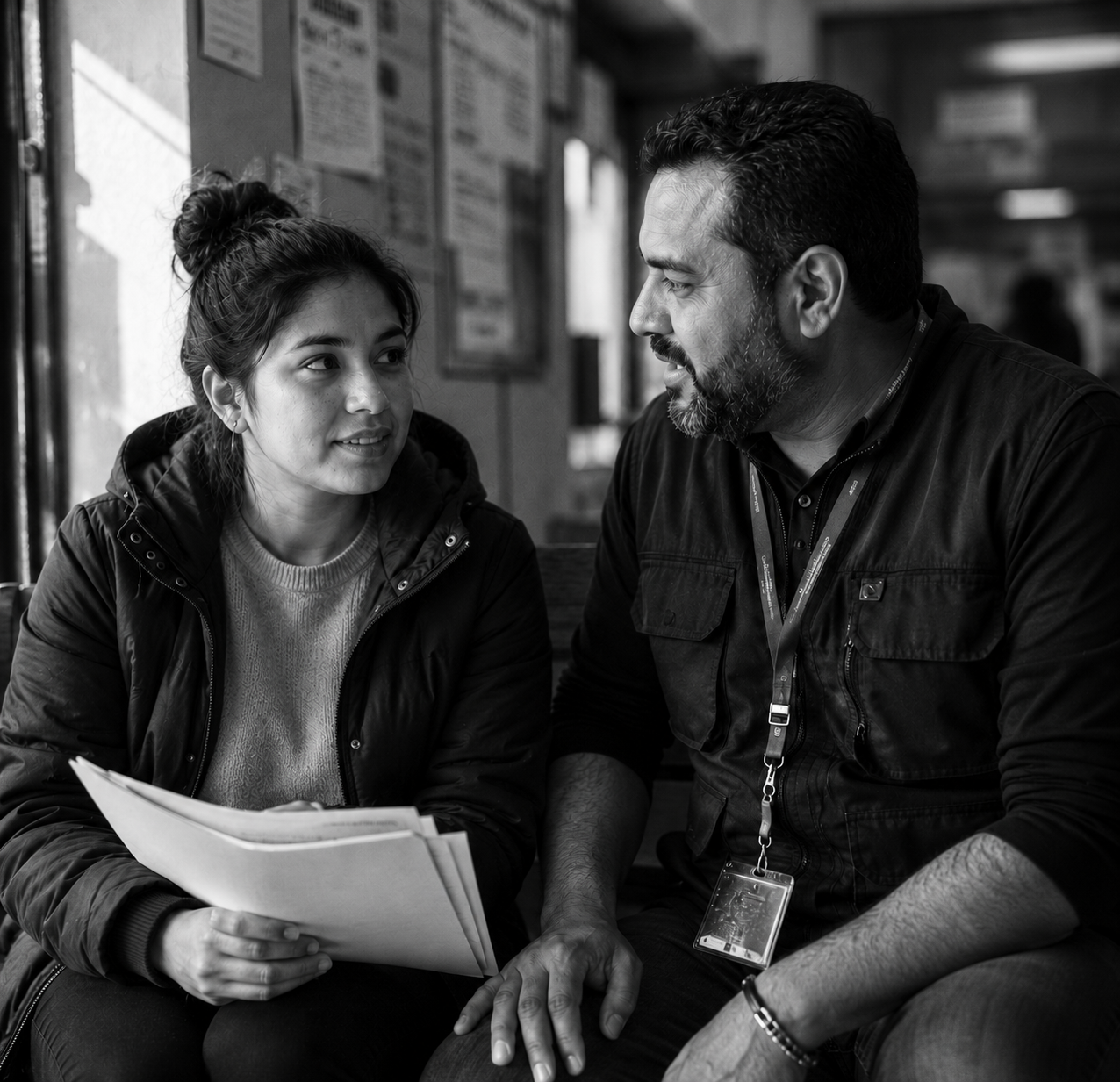
Foreign-born Americans often report lower rates of disability compared to their native-born counterparts. This may be due to several reasons, including underreporting due to cultural stigma, lack of knowledge about disabilities, language barriers, and fear of affecting immigration status. Foreign-born Americans develop disabilities at a higher rate than their native-born counterparts, as they are more likely to be exposed to working in physically demanding jobs and deal with acculturative stress. Unlike their native-born counterparts, however, they may have lower access to preventive and support services because of language and communication challenges, lack of awareness of rights and available services, legal status restrictions, distrust, and different understanding of disabilities. This webinar from the Institute on Immigrant Integration Research and Policy brings together a panel of experts to examine the intersections of nativity status with disability to deepen understanding of how systems of healthcare, education, employment, and housing can create more inclusive access and expand opportunity structures for foreign-born Americans with disabilities. Evidence-based models and best practices are discussed. The webinar was recorded on January 22, 2026.
Beyond Inclusion: Expanding the Opportunity Structure for Foreign-Born Americans with Disabilities
Foreign-born Americans often report lower rates of disability compared to their native-born counterparts. This may be due to several reasons, including underreporting due to cultural […]