
Access to healthcare remains one of the most important and challenging issues facing undocumented immigrants in New York. Many individuals and families struggle to obtain affordable medical care due to financial barriers, lack of insurance coverage, language challenges, and fear related to immigration status. Despite these concerns, New York continues expanding healthcare initiatives aimed at improving access for underserved communities.
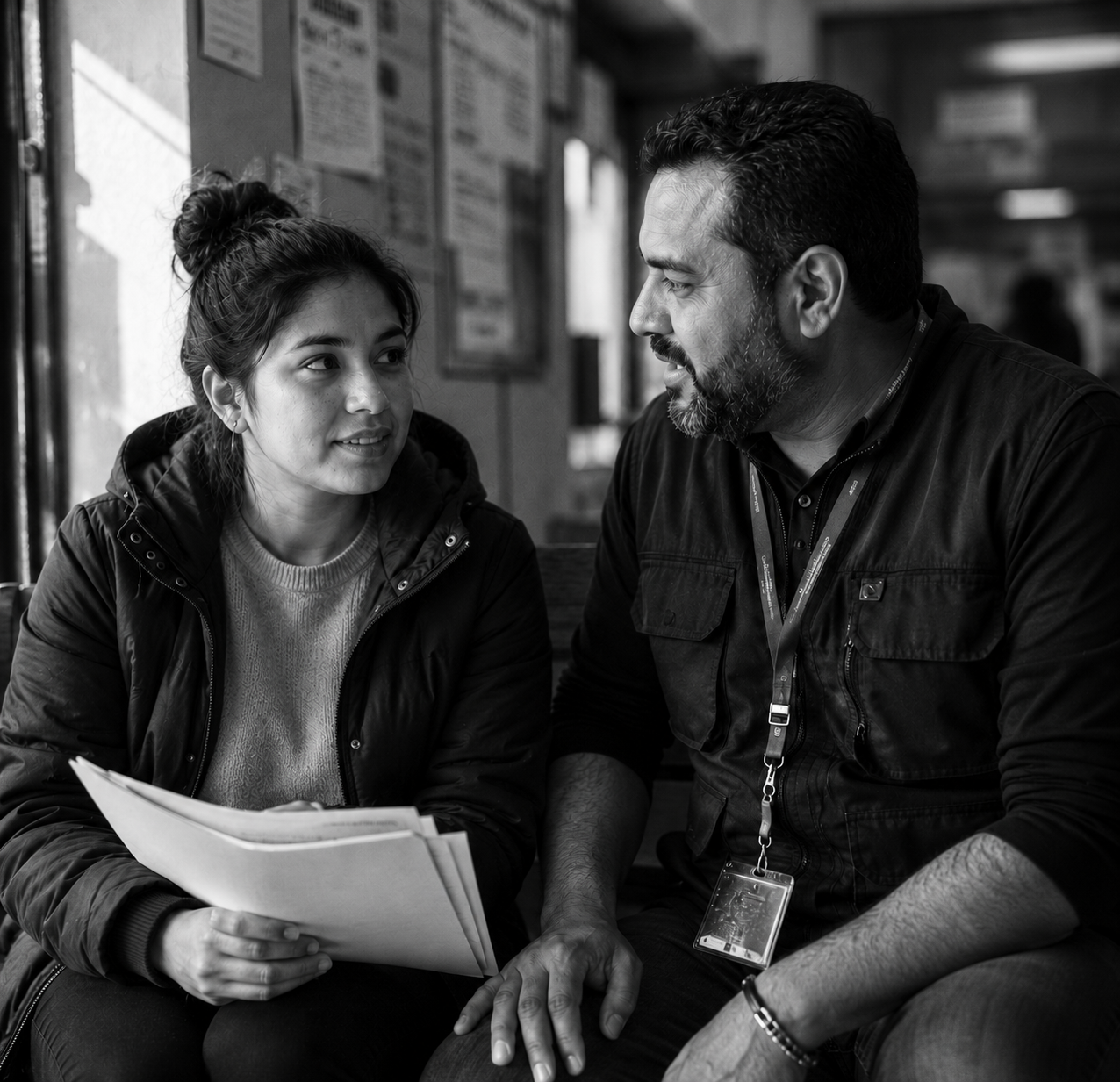
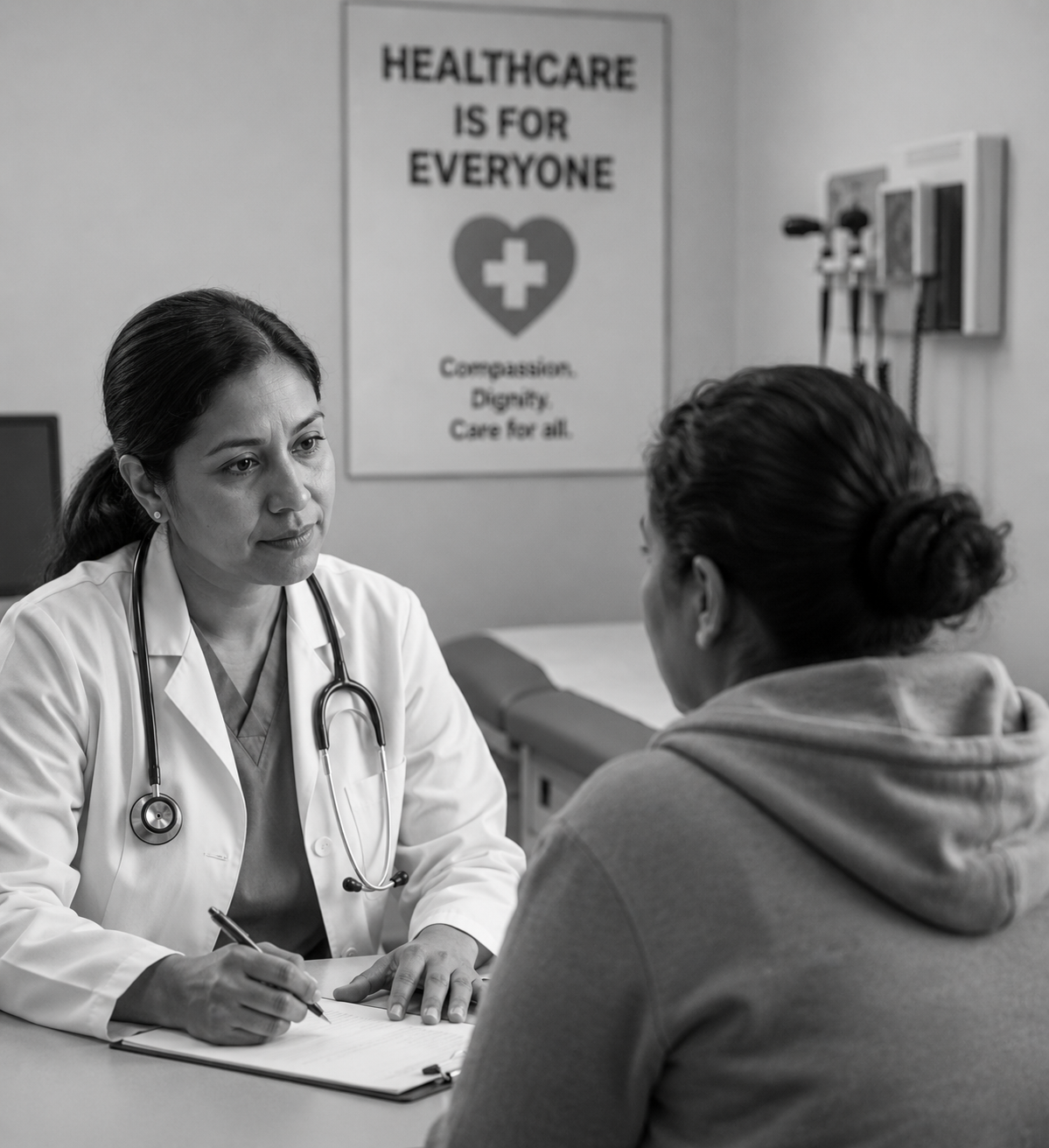
Community health centers play a major role in supporting undocumented immigrants across New York. These clinics often provide low-cost or sliding-scale services regardless of immigration status. Services may include routine medical checkups, vaccinations, pediatric care, women’s health programs, and treatment for chronic conditions. These centers help reduce healthcare disparities for immigrant families.
Emergency medical services remain legally available to all individuals regardless of immigration status. Hospitals throughout New York continue providing emergency treatment when necessary, ensuring critical healthcare needs are addressed. However, many undocumented immigrants avoid seeking care until emergencies occur due to concerns about cost, fear, or uncertainty regarding eligibility for assistance programs.
Preventive healthcare remains an important focus for immigrant health organizations. Access to early screenings, primary care, and wellness education can help prevent more serious health complications in the future. Outreach programs often provide multilingual education regarding nutrition, vaccinations, maternal health, and disease prevention.
Mental health support continues becoming increasingly important within undocumented communities. Many immigrants experience emotional stress related to family separation, financial hardship, workplace exploitation, housing insecurity, or uncertain immigration status. Community-based counseling services and culturally sensitive mental health programs help individuals manage anxiety, trauma, and emotional challenges.
Children within undocumented families often face unique healthcare barriers as well. Schools, nonprofit organizations, and pediatric clinics continue working together to ensure children receive vaccinations, developmental screenings, dental care, and mental health support. Protecting children’s health remains a priority for many healthcare advocacy groups across New York.
Language accessibility significantly affects healthcare outcomes for immigrant populations. Hospitals and clinics continue expanding interpretation services and multilingual resources to improve communication between healthcare providers and patients. Clear communication helps individuals better understand treatment plans, medications, appointments, and insurance-related information.
Public health organizations continue advocating for expanded healthcare access regardless of immigration status. Advocates emphasize that improving access to preventive care benefits entire communities by reducing untreated illnesses and improving overall public health outcomes. Local policymakers and healthcare providers continue discussing long-term solutions for healthcare equity.
Women’s healthcare services remain essential for undocumented immigrant communities. Prenatal care, reproductive health services, postpartum support, and family planning resources help protect maternal and child health. Many nonprofit clinics and women’s health organizations provide confidential services designed to support immigrant women and families.
Healthcare access for undocumented immigrants remains a complex and evolving issue in New York. While significant barriers still exist, many organizations, healthcare providers, and advocacy groups continue working to improve access, reduce fear, and support healthier immigrant communities. Expanding affordable, culturally sensitive, and accessible healthcare services will remain an important priority moving forward.